
2026年10月31日的雅思机考大作文考了一道关于食物浪费的原因与对策题(LumiWrite 题库编号:970)。
在准备环境和资源类雅思写作时,很多同学一看到 food waste(食物浪费),就会想到农业生产中的损耗、运输和储存条件不足,或者收割技术落后等问题。
这些确实都可能造成食物浪费,但这道题还有一个需要注意的地方:题目讨论的是人们从商店和餐馆购买的食物。因此,文章应该主要围绕家庭采购和餐馆就餐这两个场景展开,而不是把重点放在农业生产或粮食运输上。
题目大意: 在一些国家,人们浪费了大量从商店和餐馆购买的食物。造成这种情况的原因是什么?可以采取哪些措施来解决这个问题?
这道题的重点不只是 food waste,还有后面的限定:which is bought in shops and restaurants。
它把讨论范围放在了日常消费场景中。我们需要思考的是:人们为什么会把买回家的食物扔掉?在餐馆就餐时,又为什么会留下大量剩菜?
类似的限定方式在雅思大作文中也出现过。例如,我们在[剑19 Test 4(题目218:全球食品)]的解析中,也讨论过题目如何通过 consumers can go to a supermarket and buy... 将讨论引向日常食品消费。
这类题目提醒我们,不要一看到某个宏观话题,就把所有相关内容都写进去。先弄清楚题目具体讨论哪个环节,再选择原因和解决办法,会更容易保证文章切题。
一、审题:先确定讨论范围,再考虑原因
题目中的 which is bought in shops and restaurants,帮助我们确定了两个主要讨论场景。
1. 商店和超市购买的食物
家庭购买食物后,为什么会出现吃不完、放坏了或者直接丢弃的情况?
可以考虑两个比较常见的原因:
- 促销活动导致过量购买: 超市经常推出买一送一、第二件半价等活动。消费者可能觉得这样购买比较划算,于是买了超过实际需要的食物。
- 对食品日期标签理解不清: 有些消费者不清楚 best-before 和 use-by 的区别,看到食品超过标注日期就直接丢弃,而没有正确理解日期所代表的含义。
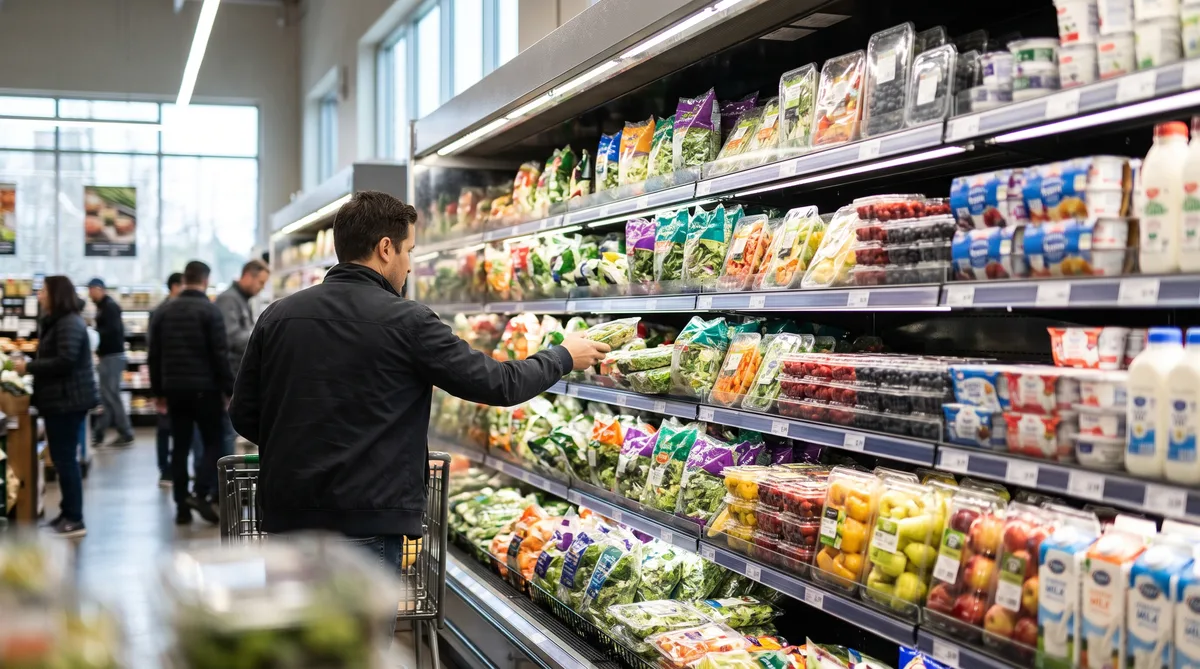
这里需要注意,best-before 和 use-by 并不是完全相同的概念。在一些常见的食品标签体系中,前者通常与食品品质有关,后者则涉及食品安全。不同国家的具体规定可能有所不同,不能笼统地认为所有超过标注日期的食品都仍然安全。
2. 在餐馆购买的食物
在外就餐时,为什么也经常会出现大量剩菜?
这里有几个比较容易展开的角度:
- 餐厅份量过大: 有些餐厅只提供固定份量,顾客即使食量较小,也可能吃不完。
- 聚餐时容易点餐过量: 尤其是在家庭聚会或宴请时,有些人担心菜不够吃,往往会多点几道菜。
- 不愿意打包剩菜: 有些顾客觉得打包不太方便,或者不好意思向服务员要打包盒,最后直接把剩菜留在餐桌上。
这些原因不需要全部写进文章。考场上选择两到三个比较容易解释、也能提出具体解决办法的观点就够了。
二、段落结构:让原因和对策形成对应关系
这是一道典型的 Problem and Solution 题型。
比较清晰的写法是:原因段分别讨论商店和餐馆里的浪费,对策段也针对这两个场景提出办法。
这样安排,文章的逻辑比较容易保持连贯。
| 场景 | 原因 | 对策 |
|---|---|---|
| 商店 / 超市 | 买一送一等促销活动容易让消费者购买过多食物 | 减少以多买为条件的促销,适当提供单件优惠或临期折扣 |
| 商店 / 超市 | 消费者不清楚不同食品日期标签的含义 | 改进标签说明,让消费者了解不同日期的区别 |
| 餐馆 | 菜品份量过大,顾客难以吃完 | 提供不同规格的菜品,例如小份和半份菜 |
| 餐馆 | 聚餐时容易点餐过量,部分顾客又不愿意打包 | 主动提供打包服务,鼓励顾客按实际需要点餐 |
需要注意的是,对策不一定要和原因机械地一一对应,但至少应该能够回应前面提出的问题。
例如,如果原因段重点讨论的是超市促销导致家庭购买过量,那么对策段就应该考虑如何调整促销方式,而不是只写一句政府应该加强宣传。
三、参考范文
下面这篇范文按照商店和餐馆两个场景展开原因分析,再提出相应的解决办法。语言尽量以常见表达为主,重点是把观点讲清楚,而不是刻意使用复杂词汇。
Model Essay
In some countries, people throw away a lot of food they buy from shops and restaurants. This often happens because they buy or order more than they need. However, changes in shopping and dining habits could help reduce the problem.
One reason for food waste in shops is that special offers can encourage people to buy more than they need. For example, a shopper may buy two packs of vegetables because they are on offer, even though one pack would be enough. If the extra food is not used in time, it may go bad and be thrown away. Some people also misunderstand the dates on food packaging. They may throw food away as soon as its best-before date has passed, even though this date generally refers to quality rather than safety. In restaurants, large portions and over-ordering are common problems. A family having dinner together, for instance, may order extra dishes to make sure there is enough for everyone. If diners cannot finish the food and feel uncomfortable asking for a takeaway box, the leftovers may simply be left behind.
There are several ways to deal with these problems. Supermarkets should avoid offers that encourage customers to buy more than they need. They could instead reduce the prices of food that is still suitable to eat but needs to be sold soon. Food labels should also explain dates more clearly, so people can tell the difference between best-before dates, which usually relate to quality, and use-by dates, which relate to safety. Restaurants could offer smaller portions as well as regular ones, allowing customers to choose what they can finish. Staff could also offer takeaway boxes, while groups could order a few dishes first and add more if necessary.
In conclusion, food waste in shops and restaurants is often caused by unnecessary purchases, confusion about food labels and ordering too much. Better shopping habits, clearer labels and more flexible restaurant services could all help reduce it.
(Word count: approximately 326 words)
四、范文中的几个写作细节
1. 用具体场景解释原因
For example, a shopper may buy two packs of vegetables because they are on offer, even though one pack would be enough.
这里没有直接说促销活动导致浪费,而是通过一个简单的购物场景解释消费者为什么会买多:因为有优惠,觉得比较划算。
接着再写:
If the extra food is not used in time, it may go bad and be thrown away.
这样就形成了比较自然的逻辑:
觉得划算 → 买得比实际需要的多 → 食物吃不完 → 最后变质丢弃。
相比直接写一句 Promotions lead to food waste,这种展开方式更容易让读者理解原因与结果之间的联系。
2. 用生活场景展开观点
A family having dinner together, for instance, may order extra dishes to make sure there is enough for everyone.
这里通过家庭聚餐的场景解释为什么顾客会点过量的菜。
接下来再写:
If diners cannot finish the food and feel uncomfortable asking for a takeaway box, the leftovers may simply be left behind.
这样不仅解释了为什么会点多,也补充了为什么剩下的食物没有被带走。
这类写法不需要复杂的句型,只要把一个常见现象和它产生的结果说明白,就能形成比较完整的论证。
3. 对策要回应前面的具体问题
Supermarkets should avoid offers that encourage customers to buy more than they need.
这句话直接回应了前面提到的促销问题。
Restaurants could offer smaller portions as well as regular ones, allowing customers to choose what they can finish.
这句话则回应了餐馆份量过大的问题。
另外,范文还提出了提供打包盒、改进食品日期标签等措施,分别回应了消费者不愿意打包和不清楚食品标签的问题。
写 Problem and Solution 题目时,可以多注意这种对应关系。对策不需要写得特别复杂,能够解决前面提出的问题就可以。
五、重点词汇与搭配
| 英文表达 | 中文意思 | 常见搭配 |
|---|---|---|
| food waste | 食物浪费 | reduce food waste |
| buy more than they need | 购买超过实际需要的东西 | avoid buying more than necessary |
| special offers | 特价优惠、促销活动 | offer special deals |
| buy one get one free | 买一送一 | offer buy-one-get-one-free deals |
| perishable food | 易腐食品 | buy extra perishable food |
| food date labels | 食品日期标签 | misunderstand food date labels |
| best-before date | 最佳食用日期 | pass the best-before date |
| use-by date | 最迟食用日期 | check the use-by date |
| go bad | 变质、坏掉 | food goes bad before it is eaten |
| large portions | 大份量 | serve large portions |
| family gatherings | 家庭聚会 | order extra dishes during family gatherings |
| leave food untouched | 食物原封不动地剩下 | leave some food untouched |
| portion sizes | 食物份量规格 | offer different portion sizes |
| takeaway boxes | 外带打包盒 | offer takeaway boxes |
| take unfinished food home | 把没吃完的食物带回家 | encourage customers to take unfinished food home |
| order a reasonable amount | 点适量的食物 | try to order a reasonable amount |
六、写作练习
看完原因和对策后,可以试着自己翻译下面这句话:
练习内容:
餐厅应该提供不同规格的菜品,并主动为顾客提供打包盒,这样可以减少食物浪费。
点击展开查看参考译文与表达拆解(建议先自主思考再对照)expand_more
参考译文:
Restaurants should offer different portion sizes and proactively provide takeaway boxes to help reduce food waste.
这里有两个值得注意的表达:
- offer different portion sizes:提供不同份量的选择。
- proactively provide takeaway boxes:主动提供打包盒,也可以表达为 offer takeaway boxes without waiting to be asked。
这类表达不需要复杂的语法结构,但能够把具体措施交代清楚。
在雅思大作文中,观点是否切题、解释是否充分,往往比单纯使用复杂词汇更重要。
这道题不必把重点放在背诵大量环境类词汇上。它更值得练习的是如何从题目给出的生活场景中找到具体原因,再进一步思考这些问题可以通过哪些实际措施来改善。
这种思路也可以用在消费习惯、生活方式和资源浪费等其他话题中。